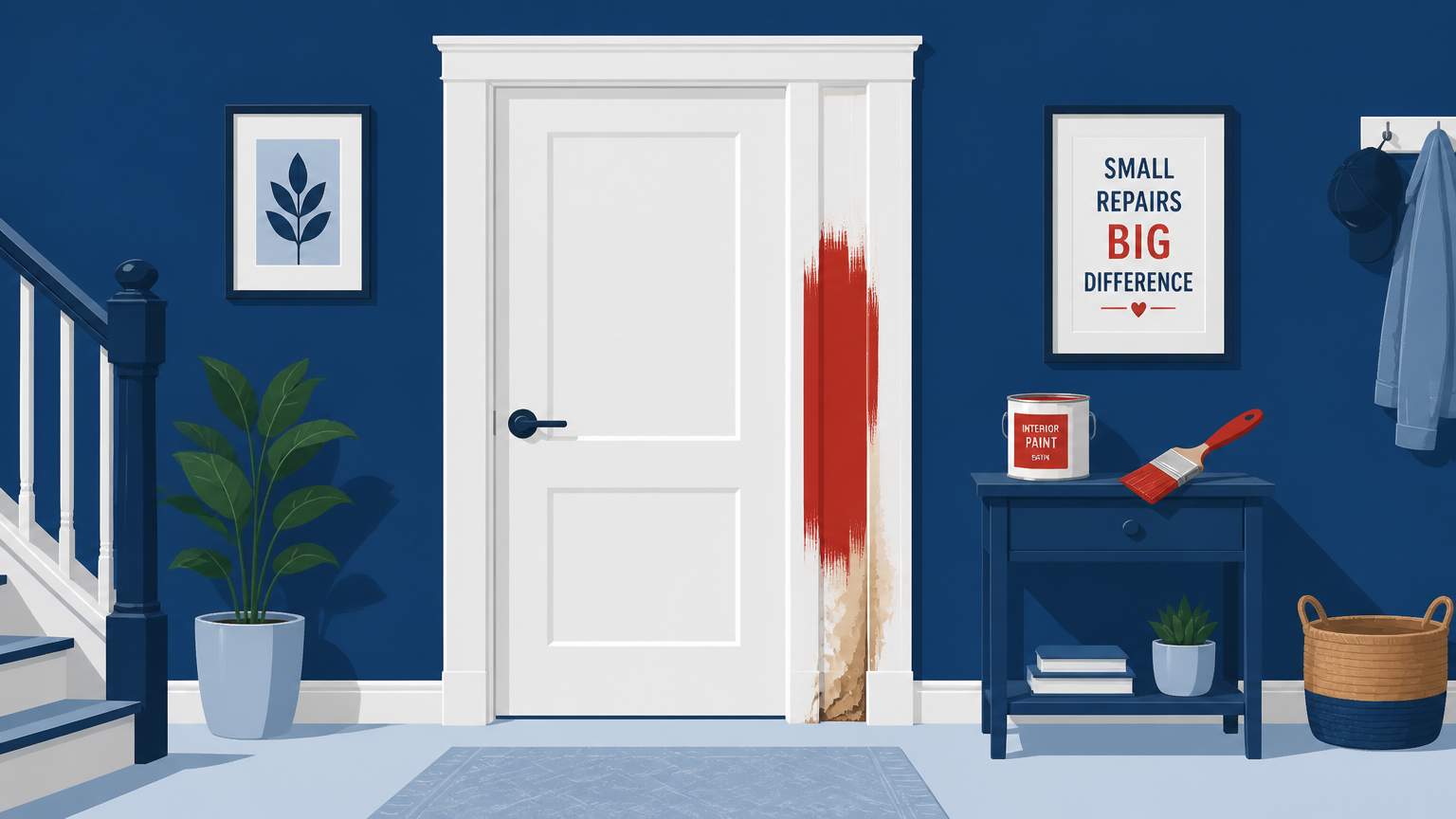
Water intrusion can ruin the appearance of door trim, especially after a burst pipe or a leaky faucet. Excess moisture causes the wood to swell, crack, or disintegrate, which can leave an obvious blemish that lowers the overall look of a room. In Florida, where humidity levels are high and plumbing problems occur often, it is crucial to repair water damage quickly to avoid mold and continued degradation.
The first thing to do is locate the origin of the leak. Make sure you turn off the main water supply at the stopcock. After doing this, check if the water meter is still running. If the meter is still turning, a leak is somewhere in the system. When you are sure that no water is coming in, mop up the affected area with a dry cloth and take note of the damage. This will help you determine if your repairs will consist of sanding and filling, or if more extensive measures will be needed for trim replacement. If the trim requires a major overhaul, you may carefully remove it at the end with a pry bar, while trying to keep its surroundings intact for reuse.
Begin by taking off the damaged trim. A utility knife will help you make a clean cut along the baseboard, while you can use a pry bar to pull away the trim from the wall. If you encounter warping, this is where a miter saw comes into play in order to create a clean edge. Next, check the hinges; often water can cause screws to loosen or doors to stick. It may be possible to simply tighten the screws or replace them. You may need a door molding repair kit if the frame is warped. Once the wood is adequately prepared, sand it down with 120-grit sandpaper and apply a filler to fill in any gaps. Once the filler dries, sand it down again and wipe up all the dust.
After your wood repair is ready, install it back and secure it with finish nails. You can pre-drill into your trim to help avoid splitting. If the wood being used to replace the damaged area is a different style or color, you can try a trim for door window that matches the existing design. Once the trim is back in place, fill in any gaps with a flexible caulk.
Finally, use a paint touch up wall to help blend the new trim with the existing wall. You should use a primer prior to painting if the wood is darker or stained. Then apply two coats of whatever interior paint you plan to use. If you want the wood protected from any possibility of humidity, you might consider a clear polyurethane finish afterward.
In some instances, the door may also have sustained water damage and required replacement. If that were the case, you might need to replace the door, or stubbornly install a new door handle. To mislead the eye away from the damaged areas on the door, you can mount a new curtain rod or install a floating shelf somewhat nearby.
If, after the repair, the door still sticks, you may need to adjust the window door hinges or even replace the door hinges. Properly aligning the door will ease the stress on the trim and help thwart more future water damage.
It's a good idea to wear gloves and eye protection while doing this. Make sure your workspace is well ventilated if your repair involves paint or caulk. For those hard to access pipes or extensive damage, you may want to hire a licensed plumber, but the majority of tasks can be done by a homeowner as part of their honey do list repairs.
.svg)
.svg)

.svg)
