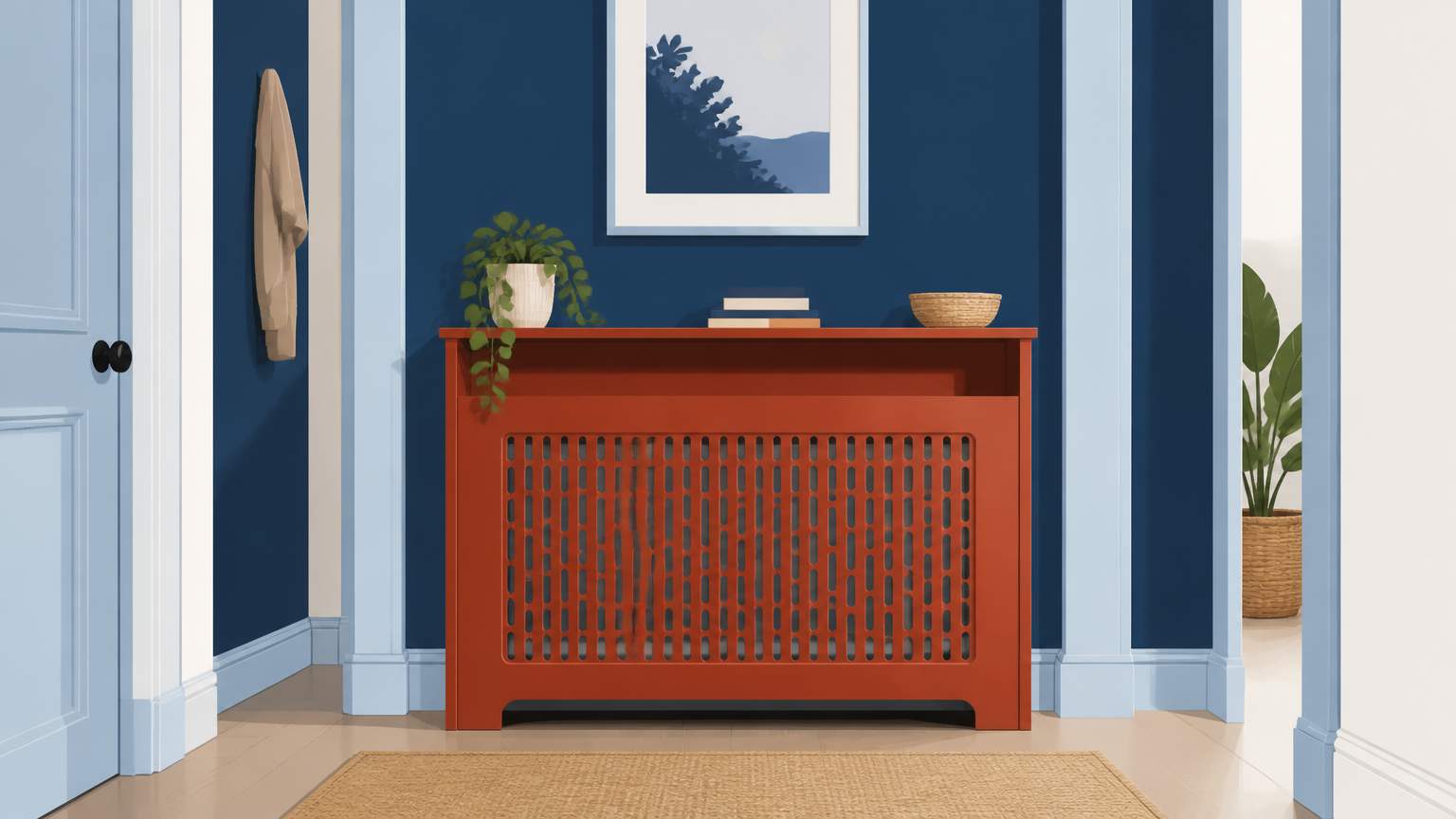
Constructing a proper radiator cover can enhance room decor while protecting kids and pets from overheated surfaces. This project outlines how a homeowner in Florida can build a ventilated MDF radiator cover over the course of a weekend, using basic skills and readily available materials like pre-primed MDF, decorative sheet metal, screws, wood glue, and a drill. The first steps involve measuring the radiator's height, width, and depth, then selecting a design with sufficient gaps or vents for air circulation. Blocking airflow can lead to reduced heat output, a cautionary point also highlighted by This Old House.
The process entails cutting the MDF, assembling a frame, fixing the sides and top, sanding and painting, and finally affixing decorative sheet metal on the inside. The use of pre-primed MDF can greatly facilitate the final painting, and optional dowels are suggested for stronger joints. Safety tips include wearing gloves while handling metal, ensuring the cover does not completely enclose the hot surface, and confirming ventilation holes on top. Better Homes & Gardens echoes the recommendation for a slatted or perforated top for optimal heat distribution; they note that while metal covers transfer heat well, they can heat up significantly, making them unsafe around kids and pets. Cost estimates range from roughly $100 for materials to $350-$700 for premade units, figures supported by sources such as Home Improvement Research. The piece also notes that radiator covers should not be applied to electric baseboard heaters unless specially designed for them.
A typical project takes roughly a weekend. Once built, the cover can be utilized for extra storage. A solid, non-vented top can trap heat, lowering a radiator's output. The U.S. Department of Energy warns against any obstruction limiting convection air flow around a heating element.
Maintain heat-convection clearance. According to studies by the University of Liverpool, leaving a five-centimeter gap around the radiator can decrease efficiency loss by up to 40%. When cutting the MDF, leave a 2-inch gap on all sides and on the bottom. If the radiator is a baseboard model, incorporate a shallow toe-kick or small lip to prevent contact with the heating surface. Test air flow by running the radiator for a few minutes; if the temperature rise is noticeably slower, add vents.
Metal covers can heat up and burn pets or kids. Using MDF keeps things cooler and offers a protective paint option that withstands temperatures up to 120°F. If using metal, paste a sheet onto cardboard and add a guard or low-profile lip. A slatted top or perforated design creates air circulation. Allow paint to cure, checking for warping or peeling during the first few weeks.
The finish can match any ongoing door trim installation or other DIY work around the house.
When to hire a professional? If the heater is in a high-pressure or electric baseboard surface, or if there are doubts about the radiator's clearance issues, hire a licensed HVAC technician or contractor. Other door repairs such as patching a hole in a door or service door handles repair can be left to a handyman. For major structural changes or electrical work, stick with a licensed professional.
.svg)
.svg)

.svg)
