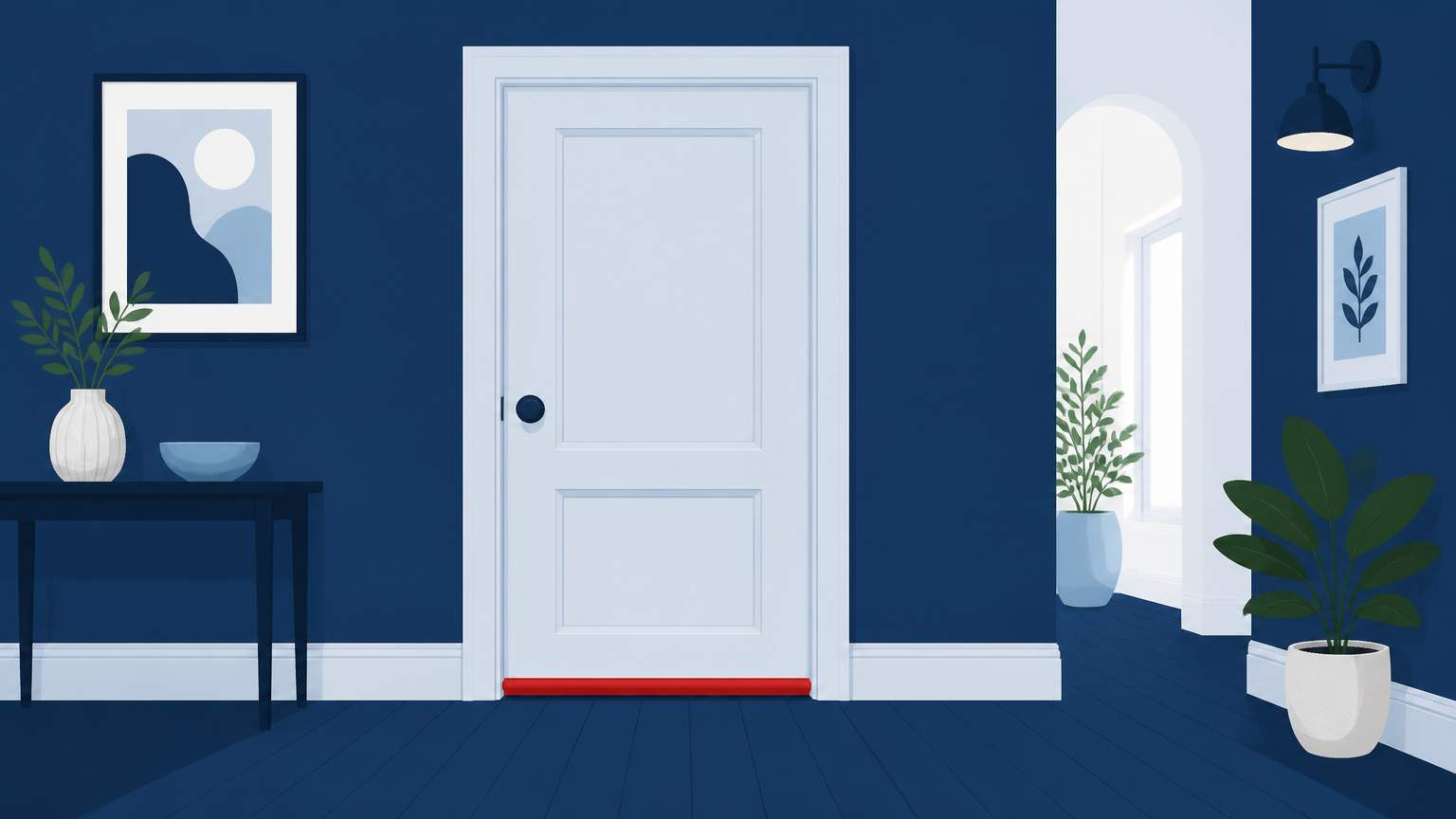
Florida homes can be vulnerable to flooding, especially during power outages when pumps and drainage systems stop working. A door sweep is a practical, affordable solution that can block up to 90% of water from seeping in under a door. Installation is quick, taking just 15 to 30 minutes, and doesn’t require a licensed contractor, making it a great option for homeowners or handymen looking to boost flood resilience.
To install a door sweep, you will need a sweep strip—commonly made of either aluminum or vinyl—, screws or adhesive, a drill or screwdriver, a measuring tape, and a utility knife. If the threshold is uneven, consider getting a small angle-adjustment kit or a flexible sweep that includes a hinge for a tight fit. If you're dealing with screen or sliding doors, you may also need a screen door supply and install kit to ensure a proper fit. If you are also repairing a door knob or changing a door lock and handle, having the necessary hardware ready will be beneficial.
Start by measuring the door width from the inside edge to the threshold. Cut the sweep to match, leaving a slight overlap for irregularities. Place the sweep on the closed door, ensuring that the flexible seal touches the threshold. If the floor isn't level, angle the sweep slightly so that the seal contacts the entire width. Mark the screw holes, drill pilot holes if necessary, and secure with screws or adhesive. After installing, test the door by opening and closing it. The sweep should remain in place and block drafts and water.
For uneven thresholds, consider using a door sweep install kit that allows for a 5-degree tilt. This will help in cases where the floor is slightly sloped, which can occur after flooding or settling. If you are working on sliding doors located inside a wall, you might need to adjust the rollers first. A sticking sliding door can be fixed by lubricating the tracks before installation. Repeat the process for each door in a door group to ensure consistent protection for the entire entryway.
When power goes out, systems like sump pumps and dehumidifiers also shut down, leading to moisture accumulation. A door sweep creates a barrier that helps minimize the amount of water entering through the door gap, buying you some time to resolve drainage problems. It also reduces drafts, lowering heating costs if the HVAC system is off. Plus, it helps keep out insects and debris, protecting interior finishes and lessening the need for later repairs, such as patching holes in the door or fixing a window screen.
If you need to replace the entire door or install a new screen door, you will likely need a licensed contractor. The same applies if the threshold is significantly damaged or the door frame is warped. However, for most homeowners, installing a door sweep is a manageable task that can be done in an afternoon, providing immediate flood protection during a power outage.
.svg)
.svg)

.svg)
