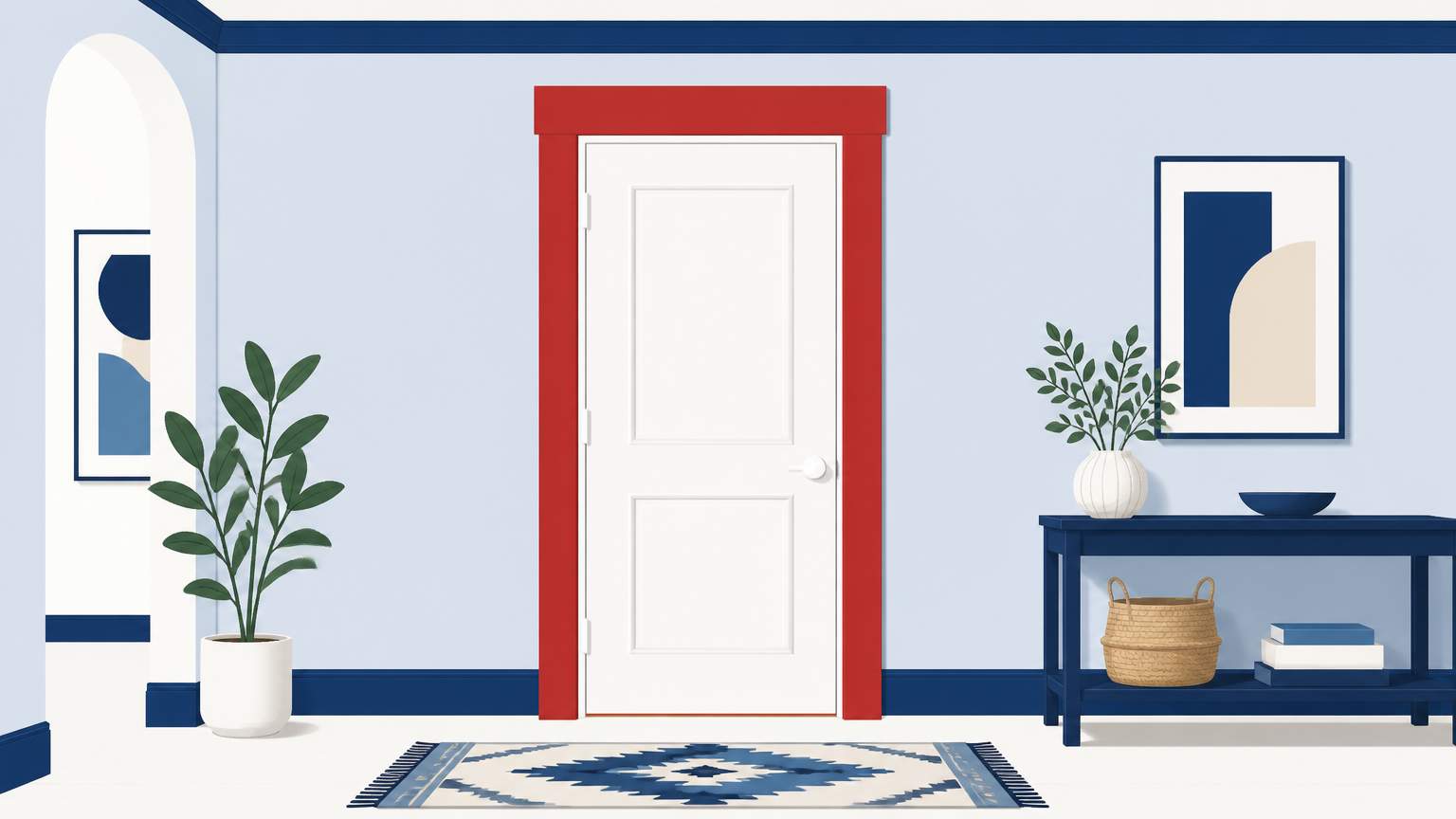
Adding a fresh coat of paint to your interior door trim can breathe new life into your living space without the cost of a full renovation. In Florida's humid climate, achieving a durable finish may seem challenging, but with the right preparation and materials, you can complete this task in just one afternoon.
A handyman will find that painting trim does not require a lot of specialized tools. The essentials include a 2-inch paint roller with a short-fiber extension, a small angled brush for corners, and a sanding block or fine-grit sandpaper to smooth out the surface. As for materials, a high-quality latex paint in either satin or semi-gloss sheen is ideal, as both resist moisture and are easy to clean. A good primer is also crucial; a self-etching primer made for wood or composite trim will help seal the surface and improve paint adhesion. Don't forget a drop cloth or old newspaper to catch any drips, and a small bucket for mixing paint if necessary.
When choosing paint, look for one that includes a mildew inhibitor, especially important in Florida's humid climate. A self-etching primer with a mold-resistant additive will also protect the trim from any fungal growth. If you have a screen door with pet door installed, the trim around that area may take more wear and may require extra attention.
Start by removing any loose paint or material with a scraper or fine-grit sandpaper. Lightly sand the trim to create a texture for the primer to adhere to. Wipe down the dust with a damp cloth and allow the trim to dry completely before applying primer. Use a brush for corners and a roller for larger areas to apply a thin, even coat of primer. Let it dry according to the manufacturer's instructions—usually a few hours—before applying the topcoat.
A satin finish is recommended for interior trim in Florida because it strikes a balance between sheen and durability. It is less likely to show fingerprints and is easier to wipe clean than a high-gloss finish, yet it still offers a subtle shine that enhances the room's lighting. Apply two coats of paint, allowing each to dry fully before the next. This method helps reduce the risk of peeling or blistering due to the region's high humidity.
Once you've completed the painting, check the trim for any missed spots or uneven coverage. Touch up with a small brush if needed. If the door frame has damage—like cracks, warping, or loose joints—addressing these issues before painting can prevent future problems. A handyman can typically handle minor repairs with wood filler and sandpaper, but larger structural concerns may require a licensed contractor.
If the door frame is severely warped, the trim is damaged beyond simple repair, or you encounter structural issues while working on the door, it is best to consult a licensed professional. A contractor can evaluate the integrity of the door and frame to make sure repairs meet local building codes and safety standards. For standard paint jobs and small fixes, a skilled handyman can provide a polished result that elevates your home’s look and resale value.
.svg)
.svg)

.svg)
