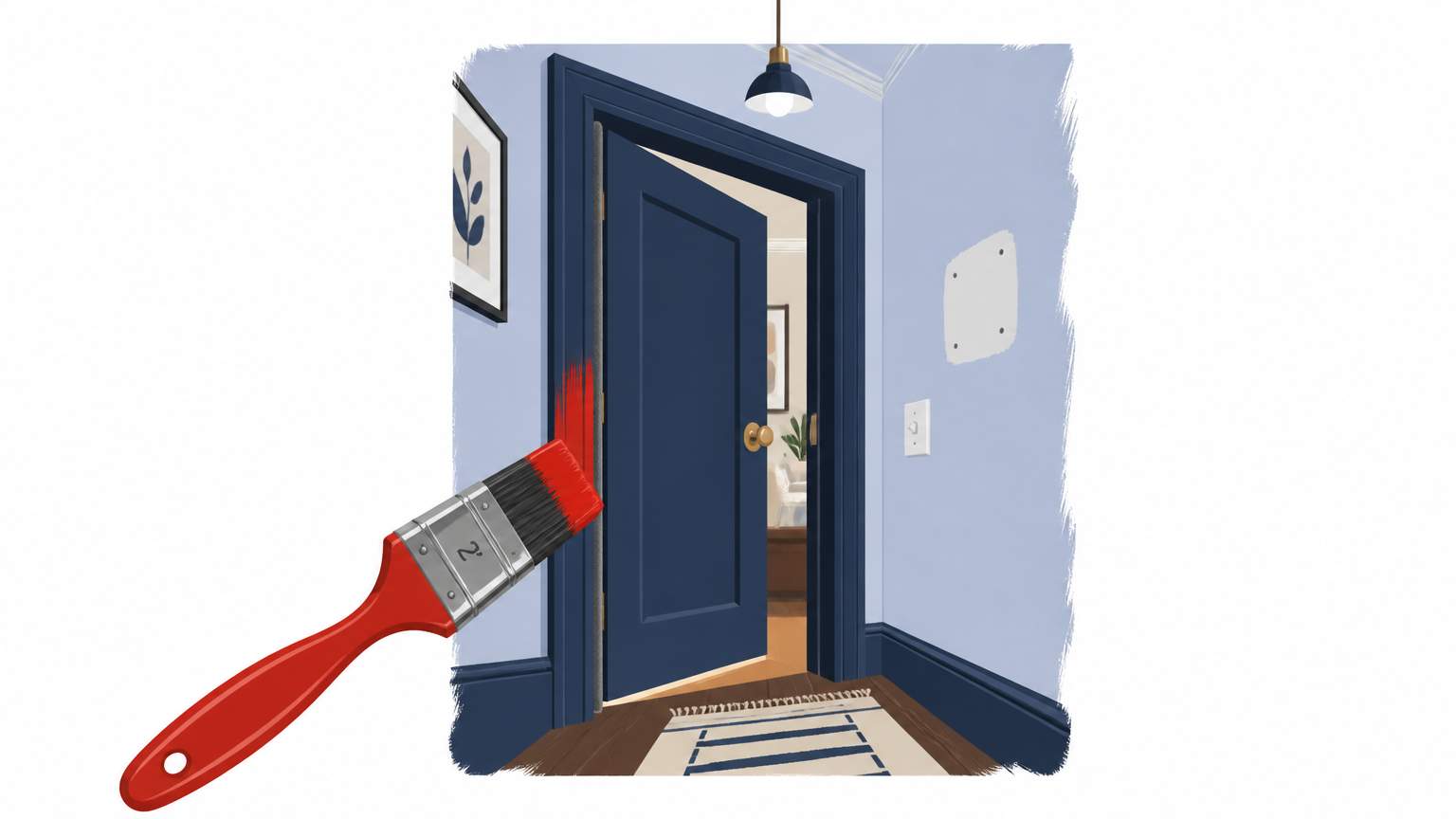
A sticking interior door can be a nuisance but is also a common issue, especially in humid climates like Florida. In these regions, wood may swell due to moisture, causing doors to drag or squeak. Addressing the problem can usually be done with a screwdriver, some screws, and a bit of effort from the homeowner. Early attention can prevent costly damage to your trim and keep things running smoothly.
To tackle the problem, first identify its cause. Sticking doors usually indicate loose or misaligned door hinges, warped frames, or debris buildup in the jamb. The humidity can also push the door frame outwards, which can make the door feel heavier. Knowing what’s causing the issue helps you choose the appropriate method to fix it without the need for a professional.
Common causes for sticking doors include loose hinges and warped frames. Loose hinges can create an uneven swing, leading the door to catch on the frame. In a humid climate, wood may expand, pushing the frame out and the door away from the jamb. Dust and old caulk can also build up in the corners, causing friction. A quick inspection of the hinges and frame can help you locate the source and determine if a simple adjustment or a more thorough repair is needed.
If the hinges are loose, they may just need a couple of screws to be tightened. Replacing stripped screws with longer wood-to-metal screws often resolves the issue. If the frame is warped, adjusting the hinge placement or inserting shims can remedy the situation. Your goal is to clear a path for the door to open and close without hindrance.
You can fix a sticking door with some basic tools: a screwdriver, a drill, some wood-to-metal screws, a level, and a small block of wood to protect the surface of the door. Start by removing the door if it’s too tight to work on. Check the hinges for loose screws or bent pins. Tighten or replace screws as needed, and if a pin is bent, use a pin punch to straighten it. Reattach the door and check its swing. If it still drags, you can modify the hinge placement or add shims for better alignment.
Once the hinges are secured, look for gaps in the door frame. If the frame is warped, use a window and door trim installation guide to adjust it. Measure the gaps on each side and cut trim to fit. Secure the trim with wood glue and screws; this will restore function while also improving the room's appearance. Finally, seal the wood with a coat of paint or finish to protect against future moisture.
Keeping the trim and surrounding area in good shape is key after fixing the door. Use caulking around windows exterior to fill in any gaps around the jamb, preventing drafts and moisture from seeping in. Applying silicone caulk along the jamb edges will keep the door's sides dry and minimize future sticking. If you find cracks or loose boards in the trim, consider replacing them with matching pieces from American Door Hardware. This can maintain the overall aesthetic and protect the wood from rot.
If you're concerned about further damage, a replacement screen for a storm door can also be a wise investment.
.svg)
.svg)

.svg)
