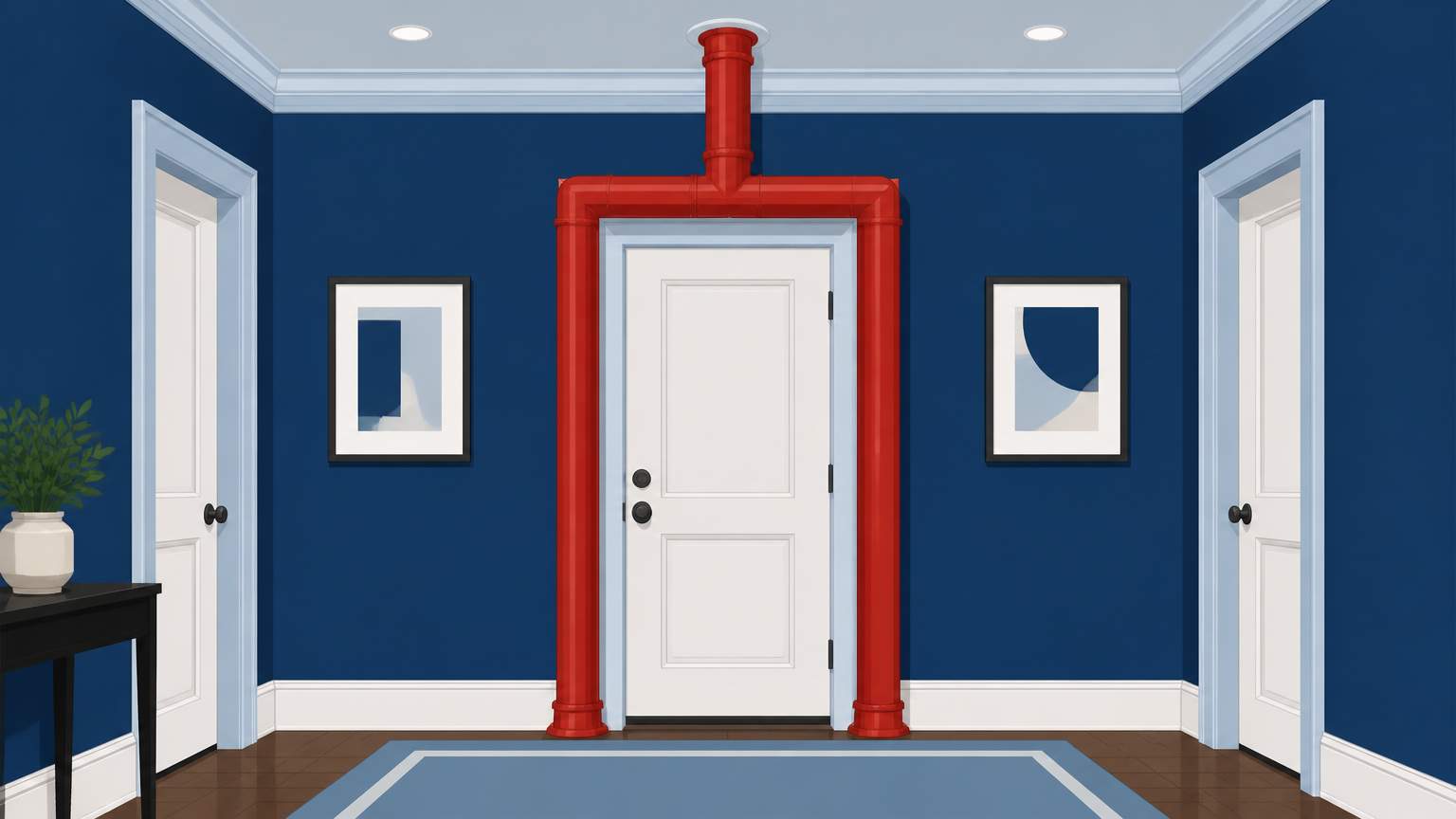
During Florida's intense rainy days, a downspout's efficacy can fail if the extension isn't long enough, isn't sloped properly, or is made of flimsy material. An effectively placed downspout extension moves water away from the home, preventing moisture from infiltrating door frames, window trim, and their caulking. This helps prevent damaged hinges, peeling paint, and excess moisture in crawl spaces.
To be effective, anyone needing to install a downspout extension should opt for thick-walled PVC pipe. These won't buckle under pressure and can be sloped correctly.
Tests of different types of materials used for downspout extensions show that Schedule‑40 PVC is optimal when it comes to durability in heavy rainfall. Not only is its interior smooth enough to keep roots out, but it’s also thick enough to endure the weight of other outdoor equipment or furniture. Field test results showed that an extension made with this PVC withstood a 10-pound load without bending while a thinner model bent and split under pressure. This is important for homeowners who expect to see traffic over the area.
The extension will also need to hold up against heavy rainfall and fluctuating temperatures. PVC can withstand salt air present in storms, making it ideal near coastal areas. This is a product that can last 40 to 50 years, in contrast to thinner roll-out tubes that might fail within a few seasons.
The first step is to measure the size of the existing downspout—typical sizes are 3 × 2 inches or 4 × 3 inches. Select a connector that matches that and secure it with a screw or clamp to minimize leaks. Then lay the PVC extension so it’s outlets at least four feet from the foundation for a clear flow outside.
After that, the extension should be sloped downwards at about 1/8 inch per foot. This prevents water pooling at the end that could seep into dirt and back toward the door, especially if sealed surfaces aren't 100% perfect. This also prevents debris from clogging it.
After the extension is in place and sealed with waterproof caulking, check after a rain event for leaks. If leaks occur, adjust the slope or add a splash block to direct water further. Also, regularly clean this area of leaves and debris.
If the extension is too short, improperly sloped, or made from a thinner material, it can lead to water pooling against the foundation and back toward the home. With Florida's humidity levels, this trapped water can become absorbed by door frames, rusting hinges and peeling paint. The moisture can even affect caulking and lead to mold, particularly behind window frame caulking. Over time the door and mold areas can weaken the overall structure.
If there are signs of mold despite correct installation, or continued water damage, it’s time to call in a professional contractor.
.svg)
.svg)

.svg)
