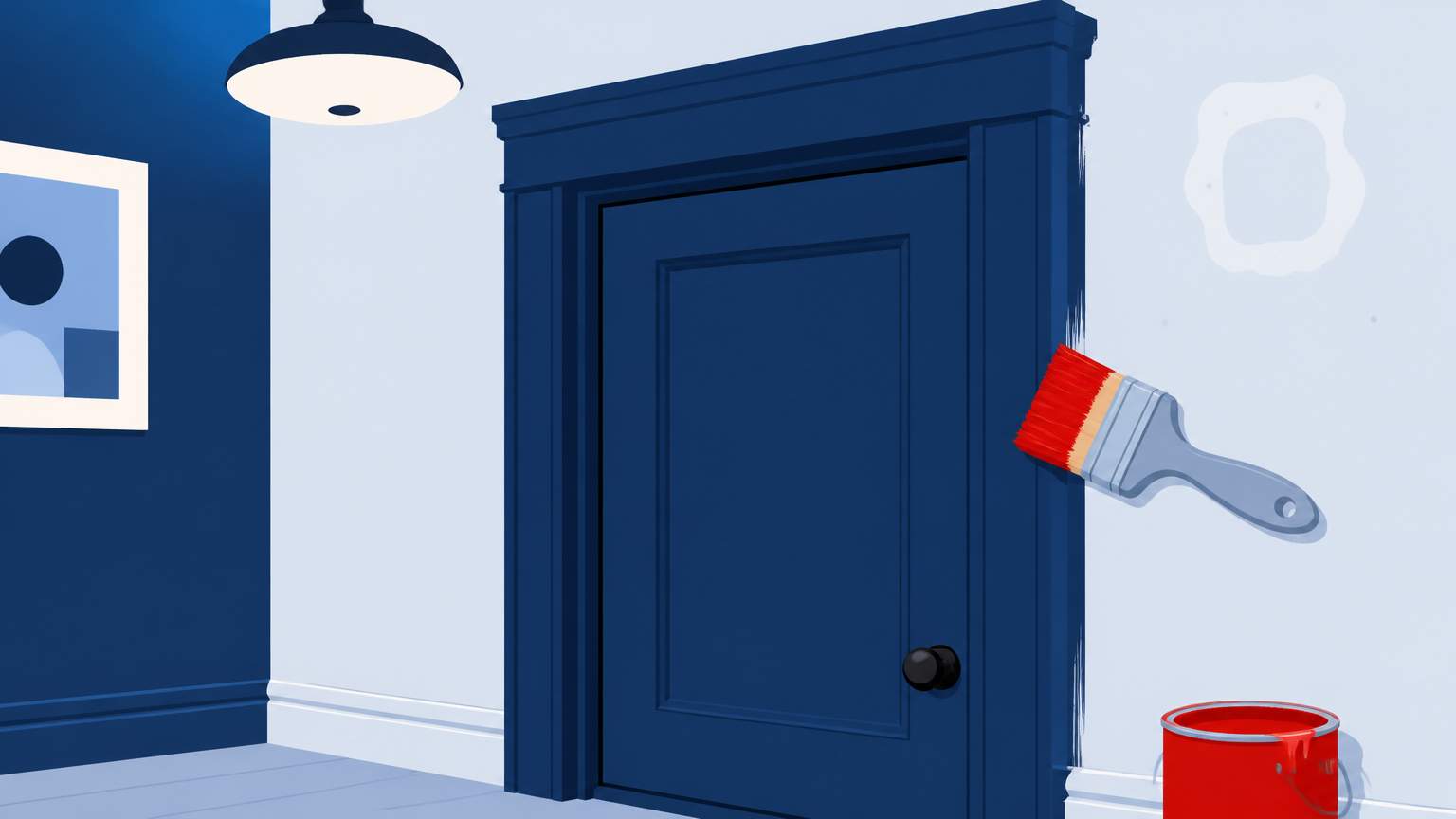
If you notice unevenness in your door frame or the trim seems worn, your first instinct may be to check for gaps between the door and jamb. In Florida, the damp climate and fluctuating temperatures can cause wood to expand, crack, or even get mold spots. Thankfully, a capable DIYer can tackle these issues with the right tools and procedure.
The secret to a lasting finish is treating the trim as its own surface that must be prepared separately. Identify any damaged areas, fill gaps with a wood-compatible filler, sand the surface, and apply a dedicated primer before painting. In humid environments, going with low-VOC paint that dries quickly and resists mildew is essential. Popular brands like Sherwin-Williams Emerald and Behr Premium Plus Ultra are often recommended, as they work well for interior trim projects.
Most issues stem from moisture getting in and wood aging naturally. You may see small cracks where the trim meets the wall, or the paint may bubble or peel after damp exposure. Trim around windows or storm doors often wears unevenly, too, since the frame is always exposed to humidity. If you notice a drafty door, it typically indicates that the jamb or trim has lost its seal, allowing humid air to come in.
Trim also collects dust and grime, which can dull the paint finish. Over time, it might develop a mildew film that's tough to clean without sanding. Mold thrives in Florida’s climate, so inspecting trim regularly for damage is wise. A prompt repair can save you from needing to replace the trim or undergo an expensive exterior door installation.
After sanding and cleaning the trim, it’s time for primer that seals the wood and serves as a uniform base for paint. While Behr Premium Plus Ultra offers a self-priming formula that can eliminate the need for separate primer on finished surfaces, it doesn't always adhere or cover as well as a dedicated primer on newly repaired wood. A high-bond, water-based primer will sink into the filler and seal the pores, keeping the top coat from soaking unevenly.
Once primed, a satin finish is generally best for trim in busy areas like kitchens and hallways. Satin has a low sheen that hides fingerprints and is easy to wipe down, plus it creates a durable surface that resists scratches. For less humid rooms, a matte or eggshell finish can work, but satin is still a reliable choice for frequently used trim.
When picking out paint, go for low-VOC options specifically made for humid settings. Sherwin-Williams Emerald is noted for its long-lasting durability and mold resistance, which makes it a good selection for cabinets and trim exposed to steam or frequent cleaning. If you want a more budget-friendly option, Behr Premium Plus Ultra provides good coverage and dries quickly. It's best to pair it with a dedicated primer on repaired areas.
After the paint dries, touch up the nearby walls to create a seamless transition. If the trim is severely damaged or warped, you might consider replacing the trim or installing a new door casing. Sometimes a simple drafty door fix like adding new weatherstripping or adjusting hinges can improve the overall look and decrease moisture entry.
When to Call a Licensed Professional
If the trim damage is extensive or large sections of the jamb need replacing, you may need a licensed contractor. Major repairs that involve structure change or extensive carpentry are best left to professionals. Otherwise, most homeowners can take on the repair and repainting with the right tools and materials.
.svg)
.svg)

.svg)
