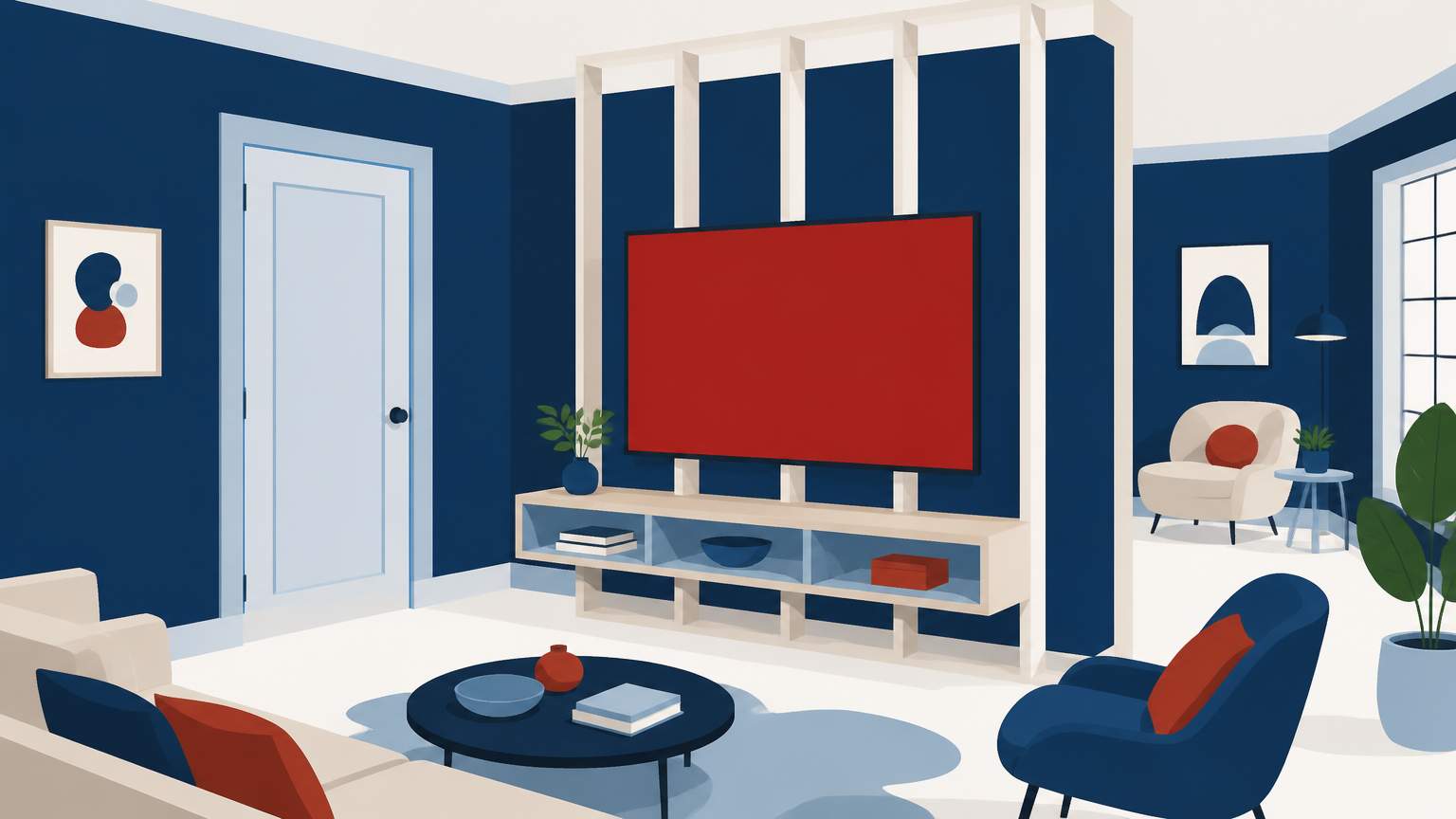
A floating TV shelf can be a great solution for a compact living space, transforming it into a functional entertainment hub. The design is straightforward: a 48-inch wide, 12-inch deep, and 5-inch high shelf that rests on concealed brackets, creating the appearance of floating in midair. Homeowners in Florida can accomplish this project in just a few hours, utilizing commonly available lumber and hardware while ensuring the shelf is protected from humidity with weatherstripping and finishing it with interior paint touch-ups and simple molding.
Begin by locating the wall studs that will support the shelf’s weight. You can use a stud finder or tap the wall to hear a solid sound. Mark the stud centers at 16-inch intervals for proper alignment. Once you've identified the studs, drill pilot holes for structural screws that are at least four inches long. The International Residential Code mandates that all wall-mounted hardware must be rated for the load it will bear, so select screws capable of supporting around 90–100 lb when the shelf is anchored into two studs. Secure the brackets to the studs, then ensure the shelf frame is level before placing the plywood top and bottom panels. This method will maintain stability, even when the TV is fully loaded.
Given Florida's high humidity levels, drywall can swell and wood can expand, potentially loosening fasteners over time. To mitigate this, apply a thin bead of weatherstripping around the front edge of the shelf. This strip acts as a seal, preventing moisture from entering and reducing the noise from cable movement. After mounting the shelf, use silicone sealant around the holes in the brackets for added security. For a refined look, you can perform an interior paint touch up on exposed edges and add simple molding along the top of the shelf. Matching the paint of the trim to the existing door trim, or placing new trim around windows, can help blend the shelf with the rest of the room.
Once the shelf is securely mounted, drill holes for cable management. Thread cables through the holes and secure them with cable ties or a cable cover to keep them organized and prevent strain on the mounting points. If you intend to use the shelf for storage, consider adding a small shelf or a shallow drawer behind the TV to keep gaming equipment organized.
Contact a licensed contractor if you have any doubts about locating studs, choosing the appropriate hardware, or sealing the shelf against moisture. A professional can also assist with storm-window prep or other interior trim work that may exceed a typical handyman’s capabilities. However, for most Florida homeowners, the outlined steps are manageable and can be completed without hiring a general contractor.
.svg)
.svg)

.svg)
