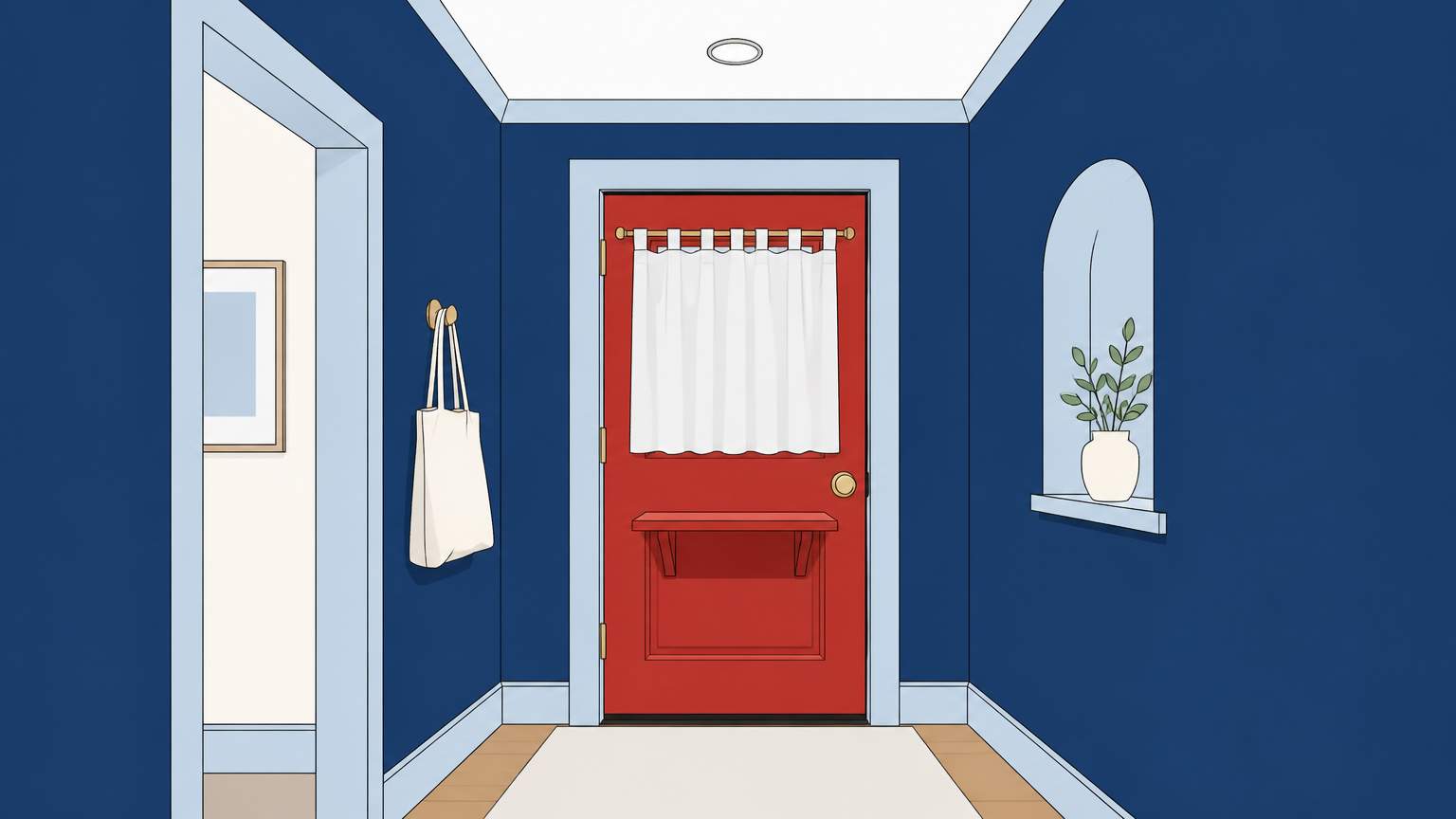
As door casing molding begins to droop or the paint starts to peel, many homeowners immediately think of hiring a pro. In countless Florida homes, however, replacing the trim around interior doors is a straightforward project that a handyman can tackle in just a few hours. But rising material costs, due to tariffs on steel and aluminum and a surge in softwood lumber prices, have made this a challenging task. Knowing how to shop economically and select suitable materials can help keep expenses manageable.
To replace trim, you will need a door casing molding kit, a saw (a miter saw or a handsaw for smaller trims), a nail gun or hammer, nails or screws, a caulk gun, and paint or stain. In Florida, pine, MDF, and composite are the most commonly used trim materials. While pine trim is still the most affordable option, lumber alternatives may cost 10-20% less than premium hardwood. According to the U.S. Bureau of Labor Statistics, prices for softwood lumber rose 8.6% year-to-date in 2025, while metal trim prices have spiked 17.9%. Choosing either pine or composite trim can counterbalance the increased costs of metal or aluminum moldings.
The initial step involves taking an accurate measurement of the door frame. Most interior doors will require either a 1-inch square or a 2-inch square trim. Using a combination square, mark your cut lines, then cut the trim pieces to size. When you install the trim, secure it to the jambs, allowing a bit of space for expansion. Use caulk to fill in gaps and smooth the edges with sandpaper before applying paint or stain. A time-saving tip: if your existing trim is damaged, you can cut out just the damaged section and swap in a new piece, rather than replacing the entire trim.
Tariff changes that came into effect in late 2024 have raised construction prices for steel, aluminum, and copper imports by 4-10%. While these tariffs impact many building materials, they have a lesser effect on trim that you purchase from local home centers. The trick here is to lock in prices as early as possible. Many retailers have a 30-day price-match guarantee, so shop during sales or when new shipments arrive. If you must have a specific trim style, consider ordering from a regional supplier that ships direct to Florida; shipping costs tend to be lower than buying from a national chain.
Another cost-effective strategy is to choose three-tab or flat-back trim profiles instead of the more ornate variations. These simpler designs are both cheaper and easier to install, yet still look quite nice. If you prefer a more decorative finish, look for trim that comes pre-finished or pre-stained; this will save time and eliminate the need for a separate paint job.
Labor rates in Florida for trim installation typically range from $65 to $105 per hour. A standard 30-square trim job can generally be completed in 4 to 6 hours, making the labor cost reasonable compared to the material savings. If you have a weekend free, you can save the labor cost of a professional. However, if the trim is significantly damaged or the doors are warped, it is more prudent to hire a licensed contractor to avoid any structural complications.
Even a simple trim job can present challenges if measurements are inaccurate or the trim is not properly secured. Misaligned trim can produce gaps that allow drafts, especially in Florida’s humid environment, resulting in higher cooling costs. Additionally, if the trim is too tightly installed, it may crack or warp over time. Using a small amount of caulk and leaving a 1-mm expansion gap can mitigate these concerns.
If you opt for metal trim, be mindful that the higher price is partly due to tariffs on imported aluminum. While metal trim can be durable, it may be more challenging to cut and finish. If metalwork isn't in your comfort zone, stick to wood or composite options. Lastly, if the door frame is warped or damaged, replacing the trim alone won't resolve the underlying problem. In such cases, a professional evaluation is advisable.
If the door frame is warped, the trim is heavily damaged, or you encounter structural issues during the project, it is best to consult a licensed contractor. They can determine if the frame requires repair or replacement and ensure that the trim is installed correctly. For most Florida homeowners, replacing interior door trim is a relatively low-risk DIY project that can be completed with basic tools and a few hours of labor. By making smart purchases, securing prices early, and selecting the right materials, you can keep the project manageable while enhancing your home’s appearance and comfort.
.svg)
.svg)

.svg)
